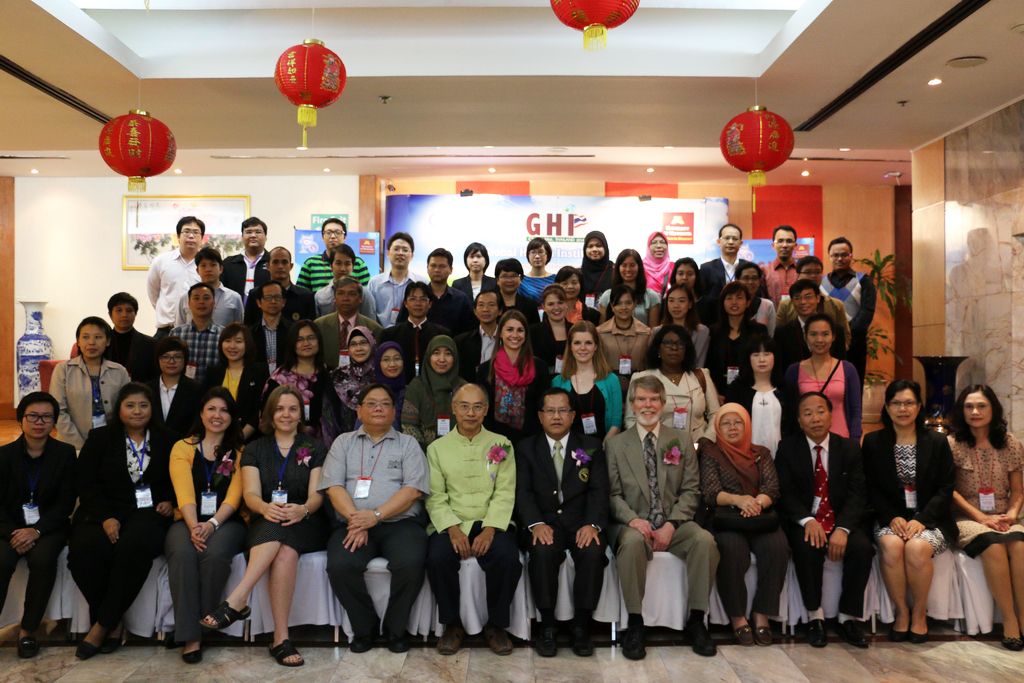
The world today is interconnected politically, financially, biologically, and socially, and these connections are further reinforced through trade, travel, and commerce. Such interdependence drives the convergence of animal, human, and environmental health. The One Health approach emphasizes collaboration across disciplines and professions, as it is no longer possible to address any single health domain without considering its impact on the others. For these reasons, intensive study within the Global Health Institute (GHI), with a focus on One Health Leadership, is an essential component of building solutions to protect and save countless lives in current and future generations.
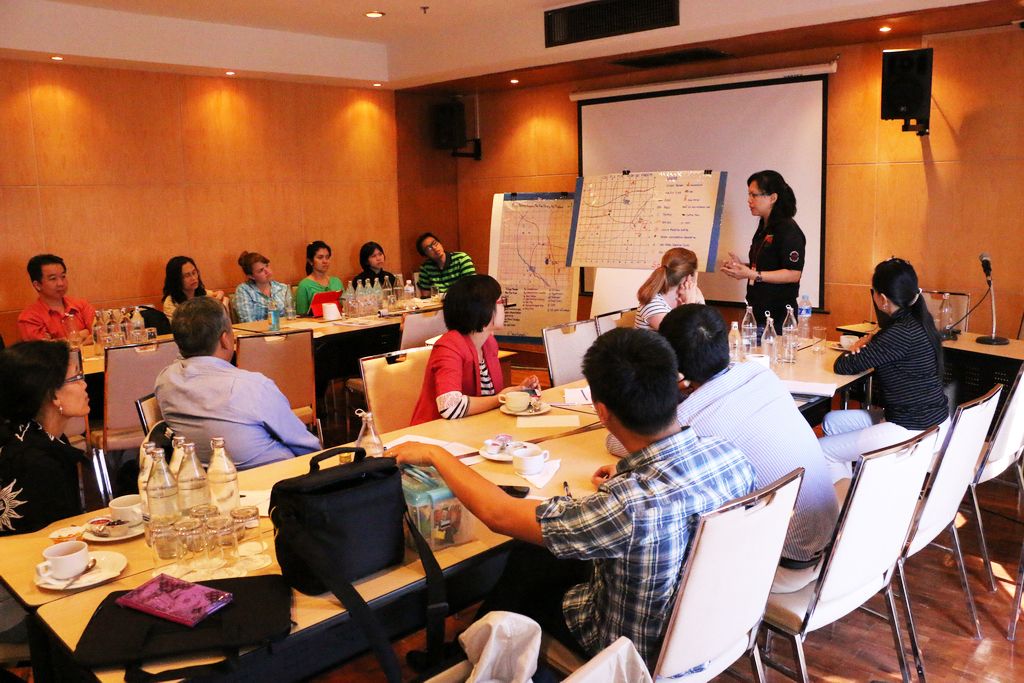
The course was designed to examine leadership within the One Health framework, including the development of technical capacity to ensure preparedness for new and emerging public health challenges, as well as the identification of opportunities to foster collective action for the benefit of public health, food security, animal health, and ecosystem health.
Through GHI 2014, participants not only advanced their knowledge but also gained deeper understanding and confidence by learning from one another’s experiences. The program emphasized the importance of health initiatives related to public health, food security, animal health, and ecosystem health, with particular attention to One Health leadership. Scientific research, information exchange, networking, and workshops were highlighted as critical mechanisms for achieving these objectives.
Goals and Training Objectives
-
To deepen understanding of the “grand challenges”—complex, multifactorial, systemic issues emerging at the convergence of public health, animal health, economic development, and environmental health.
-
To expand and strengthen the One Health approach across the Southeast Asian One Health University Network.
-
To celebrate the 50th Anniversary of Chiang Mai University.
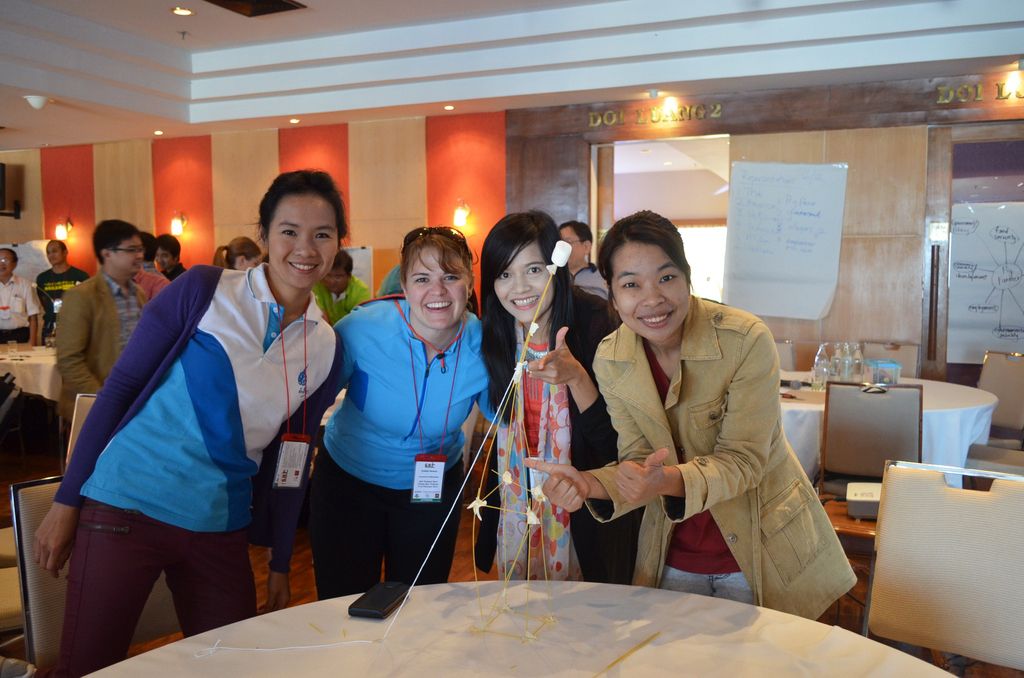
The program welcomed 52 participants, comprising young to mid-level university lecturers and master’s and doctoral students, representing 16 faculties and 26 institutions from six countries: Vietnam, Lao PDR, Malaysia, Indonesia, the United States, and Thailand.