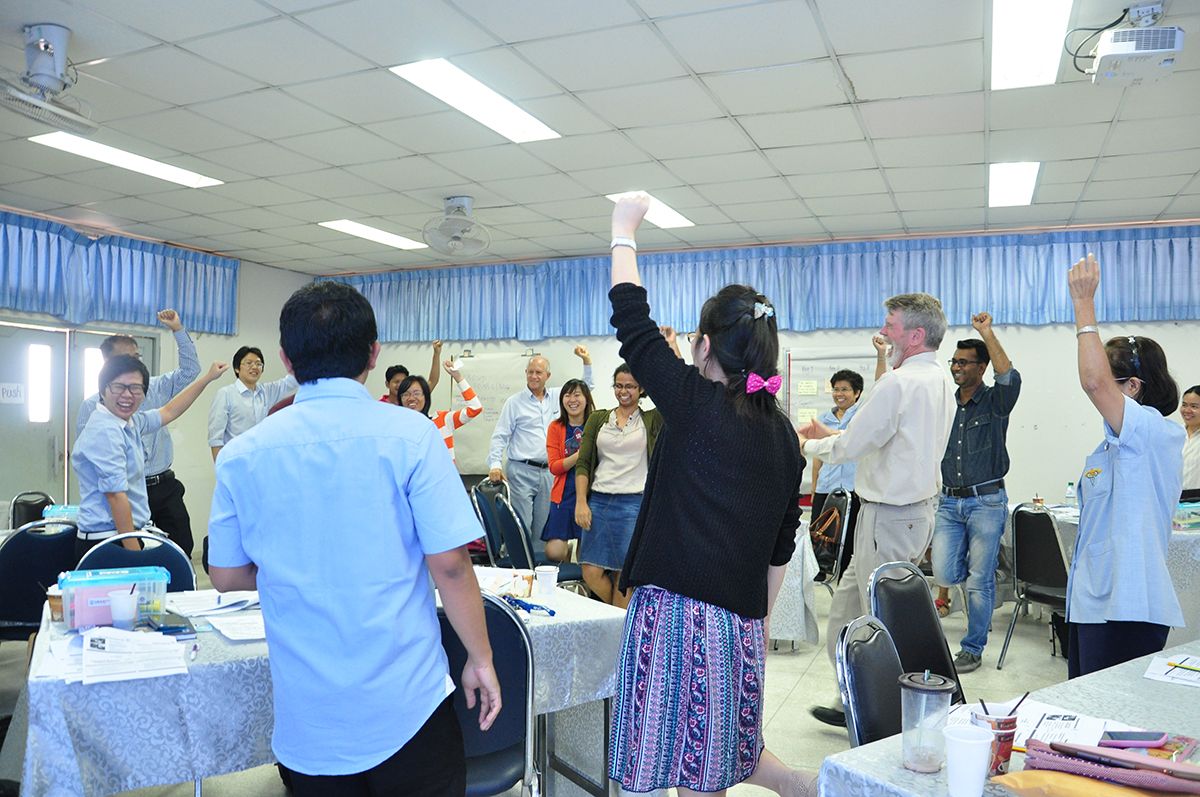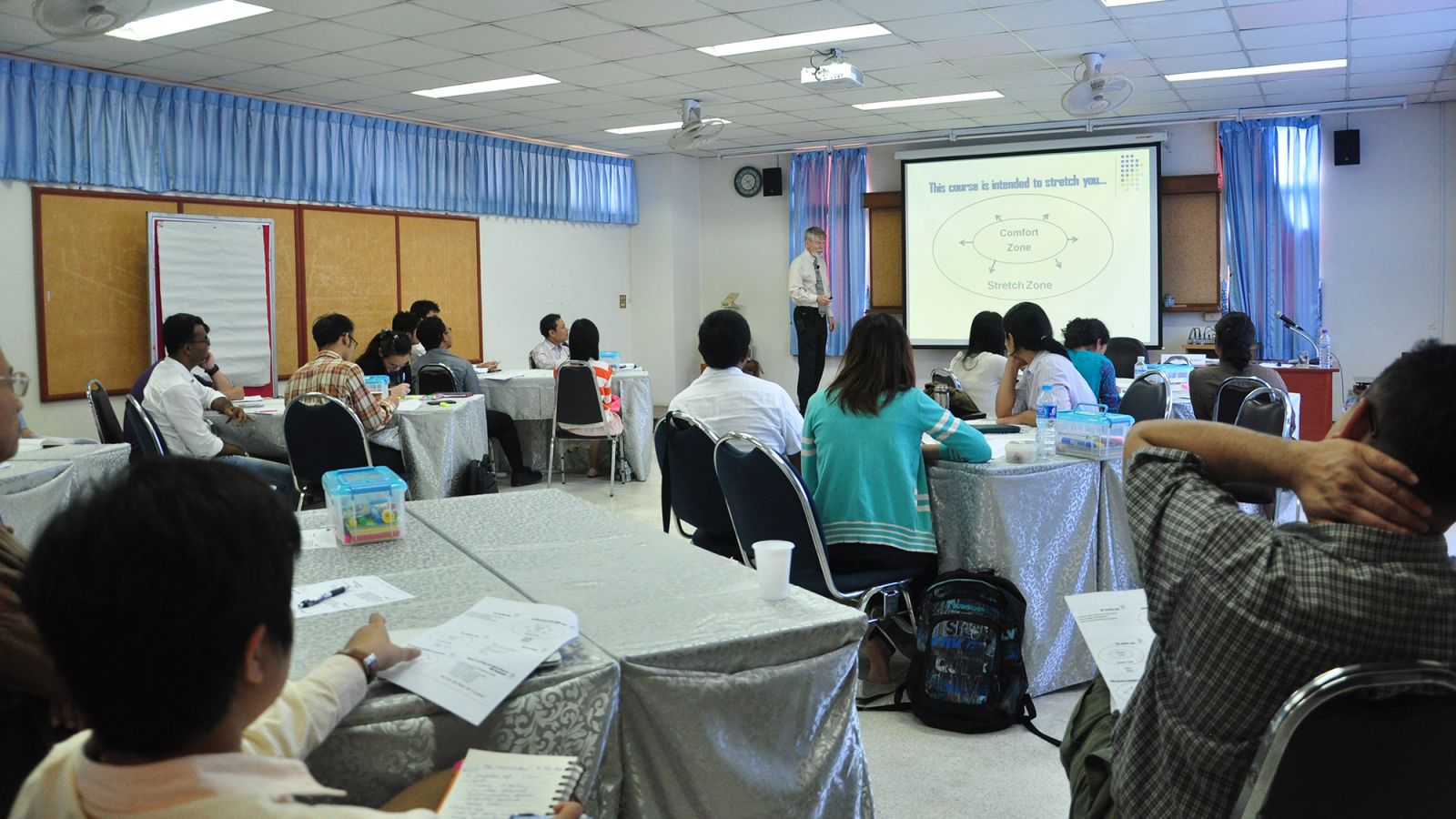
The course consisted of four modules: risk communication principles, communication in high-stress situations, message development and delivery, and media relations and practice. Professor William Hueston employed active learning approaches to foster a safe learning environment and encourage participation.
Objectives of the Course
Upon completion of the course, participants were expected to achieve the following:
-
Risk Communication Knowledge
-
Understand the difference between the scientific definition of risk and the human perception of risk.
-
Recognize that risk communication is a two-way exchange of information and opinions designed to support rational decision-making.
-
Identify and apply tools that support risk communication.
-
-
Risk Communication Skills
-
Identify different audiences.
-
Analyze appropriate risk communication approaches for different audiences in various contexts.
-
Develop key messages.
-
Practice active listening.
-
Deliver executive briefings.
-
Engage effectively with the media.
-
-
Risk Communication Attitudes
-
Acknowledge that people perceive risks differently.
-
Appreciate cultural differences in communication styles.
-
Demonstrate respect when interacting with individuals who hold differing opinions about risk.
-
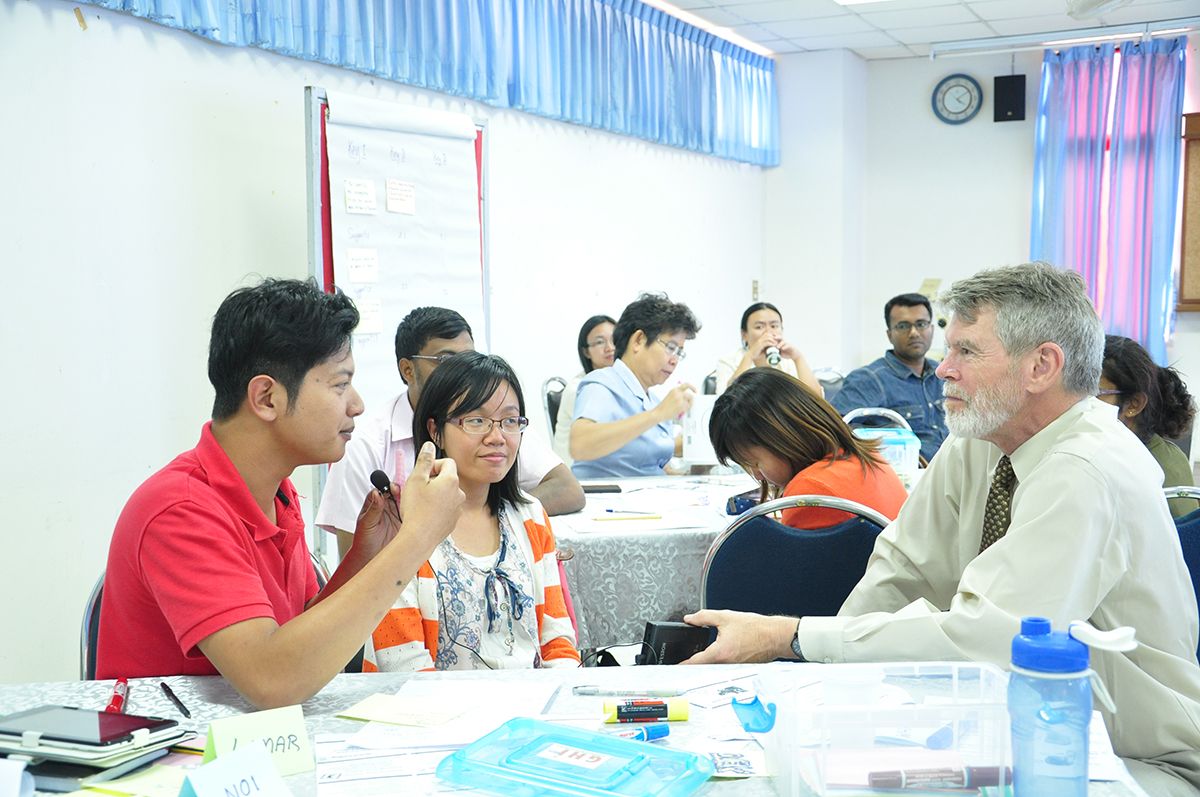
The workshop was held at the Faculty of Veterinary Medicine, Chiang Mai University. We were honored to welcome Professor Dr. William Hueston from the University of Minnesota, USA, as the invited speaker. The workshop was attended by 29 participants, primarily graduate students and professionals in veterinary medicine, nursing, and social sciences engaged in health- and social-related sectors. Participants came from Chiang Mai University, the Department of Livestock Development, local governments, the private sector, and the 6th cohort of MVPH students representing eight countries: Nepal, Vietnam, Sri Lanka, Bangladesh, Indonesia, Myanmar, China, and Thailand.